
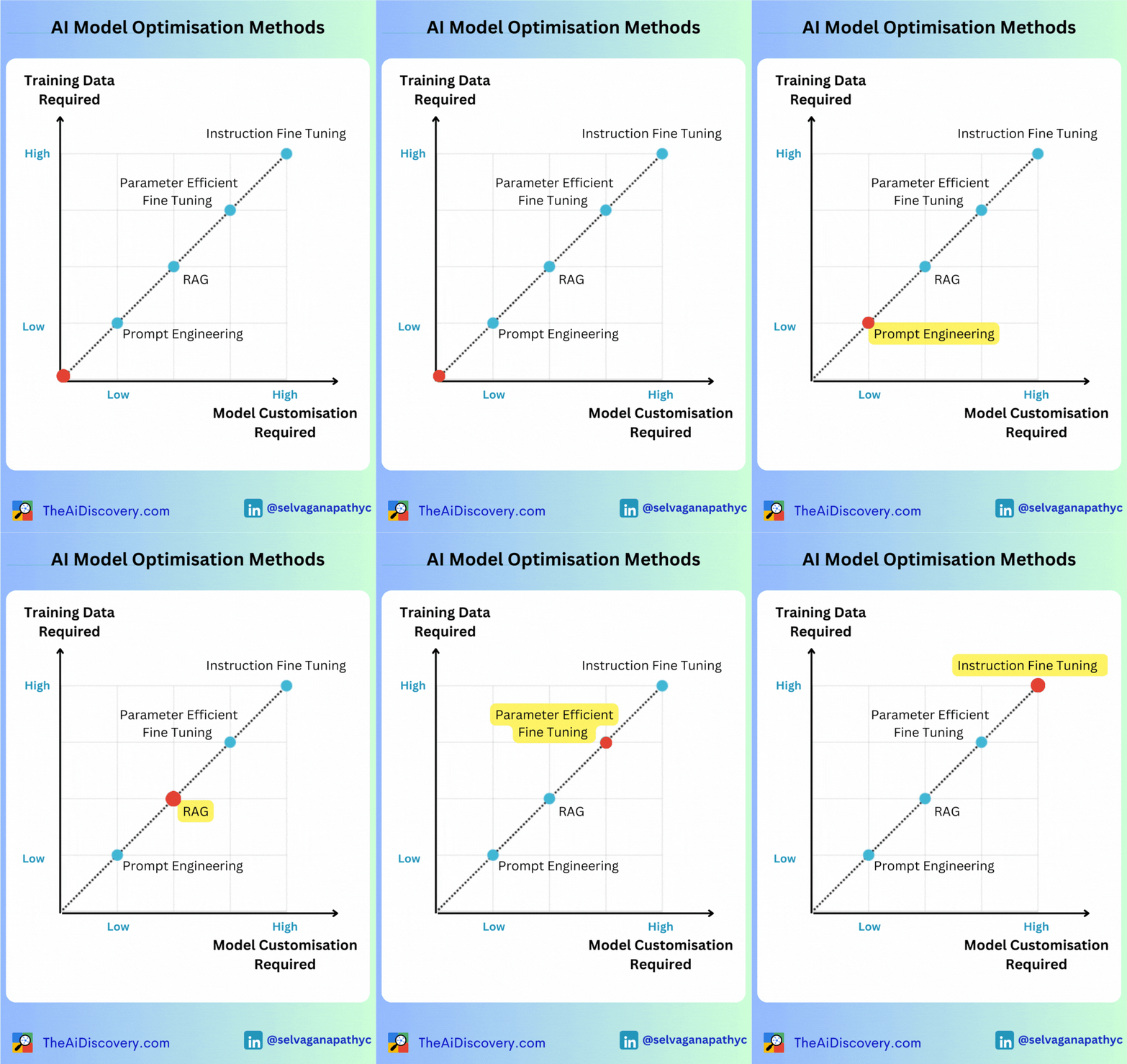
𝟭. 𝗣𝗿𝗼𝗺𝗽𝘁 𝗘𝗻𝗴𝗶𝗻𝗲𝗲𝗿𝗶𝗻𝗴 ✍️
𝗗𝗲𝘀𝗰𝗿𝗶𝗽𝘁𝗶𝗼𝗻: This method leverages zero-shot or few-shot learning to guide the AI model’s responses using well-crafted prompts.
𝗘𝘅𝗮𝗺𝗽𝗹𝗲: Asking a language model to write a poem with a prompt like “Write a poem about autumn leaves.”
𝗠𝗼𝗱𝗲𝗹𝘀: Both proprietary models like Gpt-4o & open source models like Llama 3.1
𝗧𝗿𝗮𝗶𝗻𝗶𝗻𝗴 𝗗𝗮𝘁𝗮 𝗥𝗲𝗾𝘂𝗶𝗿𝗲𝗺𝗲𝗻𝘁: Low
𝗖𝘂𝘀𝘁𝗼𝗺𝗶𝘇𝗮𝘁𝗶𝗼𝗻 𝗟𝗲𝘃𝗲𝗹: Low to Medium
𝟮. 𝗥𝗲𝘁𝗿𝗶𝗲𝘃𝗮𝗹 𝗔𝘂𝗴𝗺𝗲𝗻𝘁𝗲𝗱 𝗚𝗲𝗻𝗲𝗿𝗮𝘁𝗶𝗼𝗻 (𝗜𝗻-𝗖𝗼𝗻𝘁𝗲𝘅𝘁 𝗟𝗲𝗮𝗿𝗻𝗶𝗻𝗴) 🔍
𝗗𝗲𝘀𝗰𝗿𝗶𝗽𝘁𝗶𝗼𝗻: Uses external databases to fetch relevant information, enhancing the model’s responses by providing additional context.
𝗘𝘅𝗮𝗺𝗽𝗹𝗲: A chatbot retrieving real-time data from Wikipedia to answer a user’s query about recent events.
𝗠𝗼𝗱𝗲𝗹𝘀: Both proprietary models like Gpt-4o & open source models like Llama 3.1
𝗧𝗿𝗮𝗶𝗻𝗶𝗻𝗴 𝗗𝗮𝘁𝗮 𝗥𝗲𝗾𝘂𝗶𝗿𝗲𝗺𝗲𝗻𝘁: Medium
𝗖𝘂𝘀𝘁𝗼𝗺𝗶𝘇𝗮𝘁𝗶𝗼𝗻 𝗟𝗲𝘃𝗲𝗹: High
𝟯. 𝗣𝗮𝗿𝗮𝗺𝗲𝘁𝗲𝗿 𝗘𝗳𝗳𝗶𝗰𝗶𝗲𝗻𝘁 𝗙𝗶𝗻𝗲 𝗧𝘂𝗻𝗶𝗻𝗴 (𝗣𝗘𝗙𝗧) 🛠️
𝗗𝗲𝘀𝗰𝗿𝗶𝗽𝘁𝗶𝗼𝗻: Adjusts the prompts given to the model without changing the underlying weights, using soft prompts that act as placeholders for the desired output. Techniques like LoRA, Soft Prompts
𝗘𝘅𝗮𝗺𝗽𝗹𝗲: Customizing a customer service bot to handle specific types of queries without retraining the entire model.
𝗠𝗼𝗱𝗲𝗹𝘀: Both proprietary models like Gpt-4o & open source models like Llama 3.1
𝗧𝗿𝗮𝗶𝗻𝗶𝗻𝗴 𝗗𝗮𝘁𝗮 𝗥𝗲𝗾𝘂𝗶𝗿𝗲𝗺𝗲𝗻𝘁: Medium to High
𝗖𝘂𝘀𝘁𝗼𝗺𝗶𝘇𝗮𝘁𝗶𝗼𝗻 𝗟𝗲𝘃𝗲𝗹: Medium to High
𝟰. 𝗜𝗻𝘀𝘁𝗿𝘂𝗰𝘁𝗶𝗼𝗻 𝗙𝗶𝗻𝗲-𝘁𝘂𝗻𝗶𝗻𝗴 ⚙️
𝗗𝗲𝘀𝗰𝗿𝗶𝗽𝘁𝗶𝗼𝗻: Involves adjusting the weights of the model’s training parameters to better fit the specific use case.
𝗘𝘅𝗮𝗺𝗽𝗹𝗲: Retraining a language model on a large dataset of medical literature to create a specialized medical assistant.
𝗠𝗼𝗱𝗲𝗹𝘀: Only open source models like Llama 3.1
𝗧𝗿𝗮𝗶𝗻𝗶𝗻𝗴 𝗗𝗮𝘁𝗮 𝗥𝗲𝗾𝘂𝗶𝗿𝗲𝗺𝗲𝗻𝘁: High
𝗖𝘂𝘀𝘁𝗼𝗺𝗶𝘇𝗮𝘁𝗶𝗼𝗻 𝗟𝗲𝘃𝗲𝗹: Very High
By understanding these methods, we can make informed decisions on how to optimize AI models effectively based on our specific needs and available training data. 🔧💡